

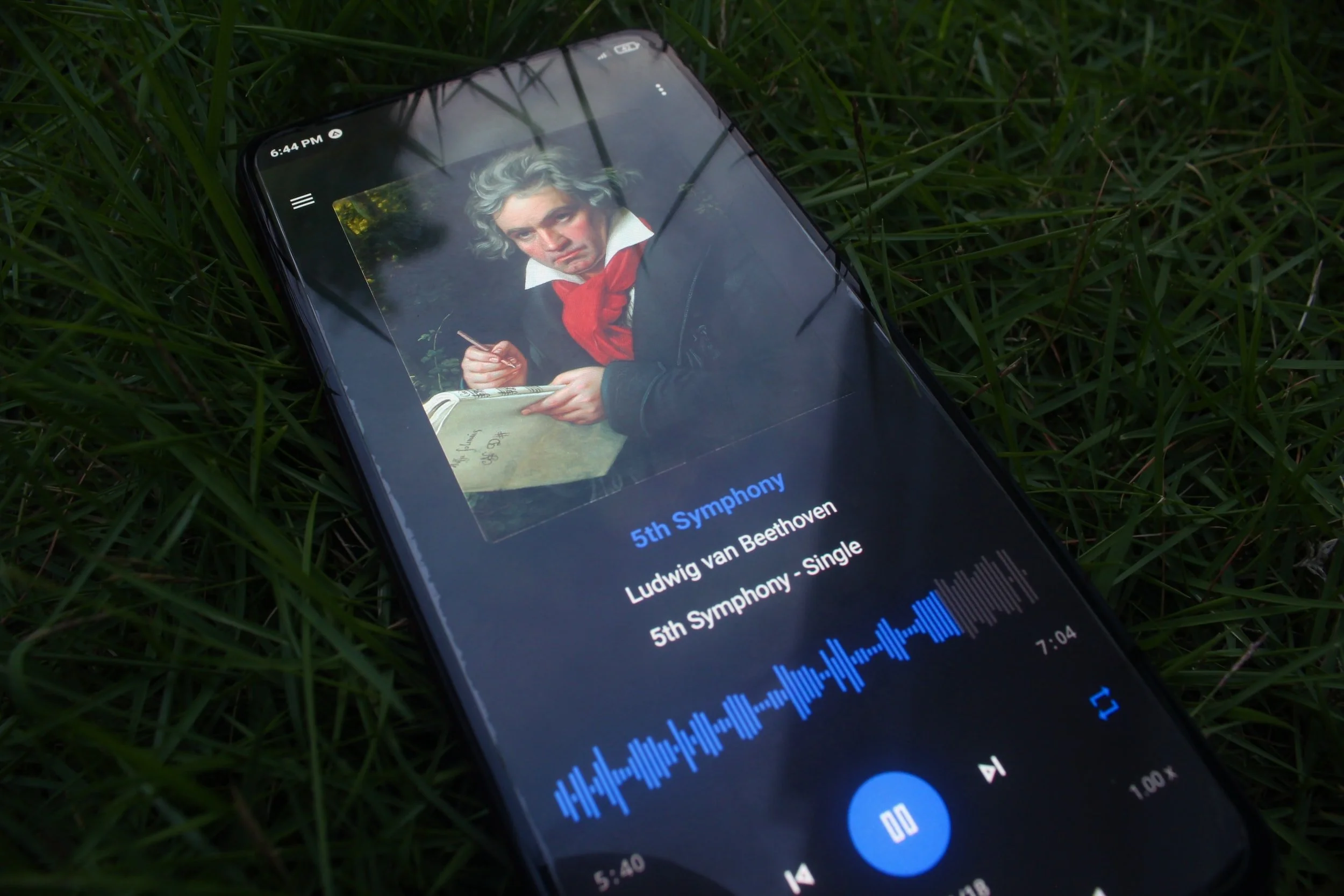
Classical Music in a Modern Era
If we're talking about classical music, would you be surprised if I mentioned Ariana Grande, Lady Gaga or Ed Sheeran?


If we're talking about classical music, would you be surprised if I mentioned Ariana Grande, Lady Gaga or Ed Sheeran? You wouldn't be the only one, but it's true! These stars (and so many more) all had their musical start in life with classical training. Whether it be taking up an instrument, joining a choir, or taking yourself out to the opera, pursing your classical music education is undoubtedly the way to go if music proficiency is your goal.
You may not realize it, but you are surrounded by classical music—enjoying it and being moved by its powerful effect—without even knowing. Every film score you can think of uses classical music to guide your emotions throughout the story. Think of how you hold your breath during a scene in Jaws, or sob while the lifeboats look for survivors in Titanic. And when you're driving home from work listening to your favorite radio station? Yep, even then! Modern music wouldn't be around without its ever-loving parent: classical music. Consider—what is the most influential part of a song? (The bit that grabs your attention and sticks in your mind for days after you first hear it.) It’s the chorus! The chorus, as an integral part of the structure of a song, can actually be traced back to Ancient Greece where groups of performers would repeat particularly important or dramatic lines of a play to ensure the fundamental message was portrayed to the audience. This idea was then adopted by the grand opera, and now today almost every song you can think of includes one! As they say, history repeats itself.
Still questioning whether training in classical music is for you? Well how about this: it's the music industry's worst kept secret that the skills learned in classically-based training set students apart from those who haven't acquired such a background. The discipline, thoroughness, and attention-to-detail that is acquired by immersing yourself in the hard work of classical music training has long been revered as desirable, regardless of which genre you're hoping to break into in the future. And it's not hard to see why. It's often stated that mathematics is the universal language, but I'd argue it's on equal footing with music. Math might give us answers to concrete questions, but music gives us a reason to question. (They really do go hand-in-hand.) And having an understanding of the history of music—derived from classical music study—improves our comprehension of modern life.
The facts are simple: students who have trained in classical music have much higher rates of success compared to those who didn't. And not just in music—a 2020 study concluded that students who listened to classical music (including Chopin, Beethoven and Vivaldi) while studying (in this case, for a math-based exam) showed an 18% improvement in knowledge transfer.
Ultimately, in today's society—where the political, social, and economic upheaval of everyday life is bearing down on us all—it is a relief to have music to turn to as a source of comfort. Music is a language that needs little translation, that brings groups of people together, and can certainly uplift human consciousness. Let's help each other move away from the strife of daily life and rejoice more in what is one of the greatest achievements of humankind. Music gives us a safe space to be who we are and be included in a community of open-minded learners; and what better way to celebrate that than participating in lessons at an academy with emphasis on music that has stood the test of time.
Whether you're looking to learn (or re-learn) an instrument, are looking for information to assist in your business or interests, or want lessons for your children, get in touch now to see how we can bring the joy and undeniable benefits of classical music to you!
Music & Your Mind
You know that feeling when you listen to a song or piece of music that you absolutely love and how it just makes you feel so happy and like the world is a better place? It turns out there’s science in that!
You know that feeling when you listen to a song or piece of music that you absolutely love and how it just makes you feel so happy and like the world is a better place? It turns out there’s science in that! Even more than that, researchers have found that studying music has enormous benefits on what is called “brain plasticity.” In essence, brain plasticity (sometimes referred to as neuroplasticity) is the ability of the brain to rewire itself to function in a different way than before—basically, it’s about growth, learning and creating new habits. Very cool, very important stuff.
So, how does music affect our brain plasticity? The research suggests that when we play and practice a musical instrument over a period of time (the longer the better), our brain starts to change its wiring to help us become better at what we’re doing. This includes improved abilities in relevant motor functions (such as non-dominant hand keyboard playing, if you’re a pianist), as well as increasing grey matter. Simply put, the more you practice, the more you’ll witness positive development in cognitive function, which leads to stronger musical dexterity!
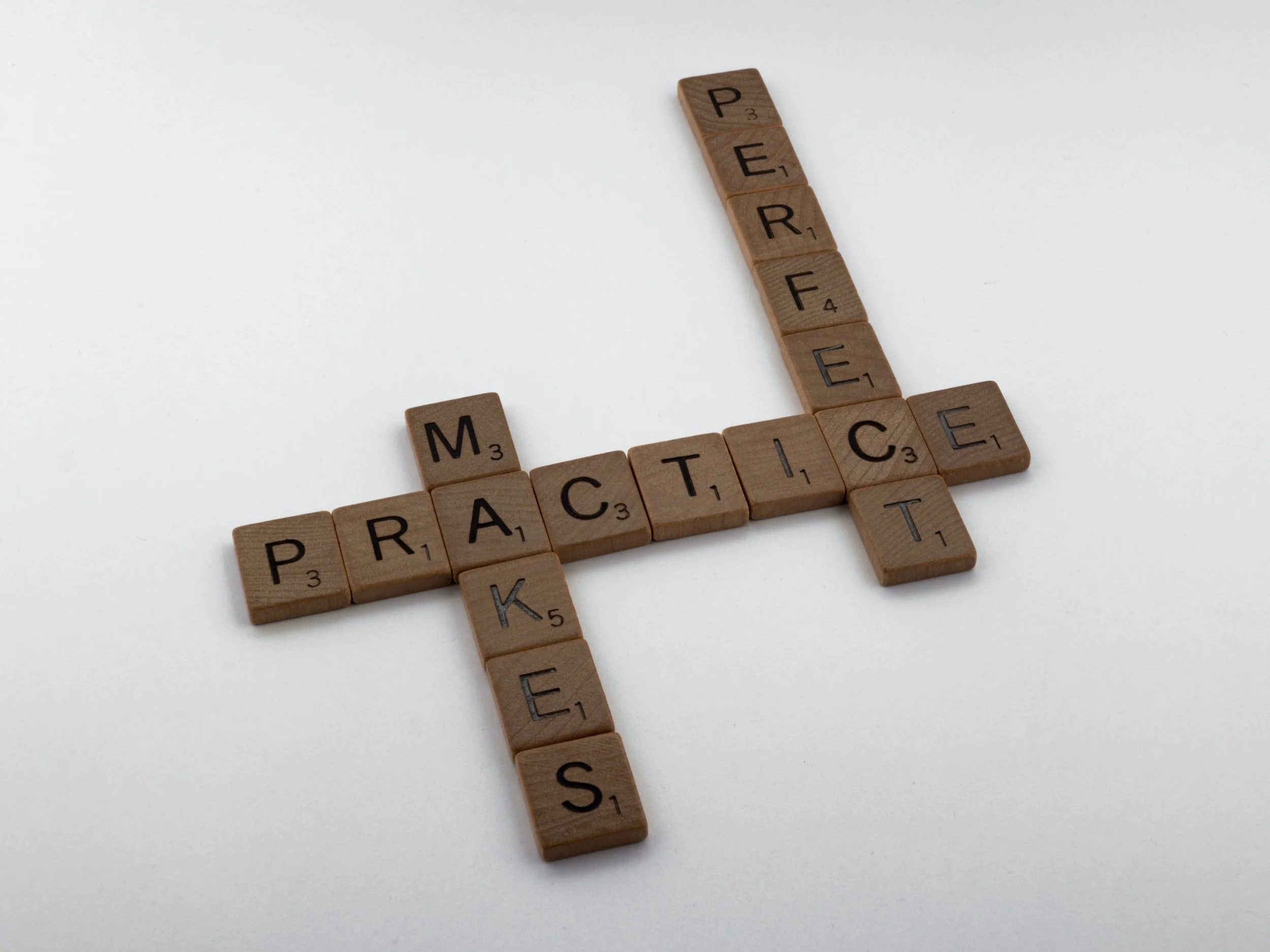
This fantastic news is backed by a study conducted at the Karolinska Institute in Stockholm, Sweden, where researchers found that the areas of the brain responsible for improvisation were less active in experienced pianists. I know what you’re thinking—that surely doesn’t sound right? But it is! The brains of the more experienced pianists are thought to be working so efficiently that they’re almost on autopilot. They don’t actually need to use as much effort to improvise pieces because they’ve trained their brain over time in doing just that. I hate to say it, but your teacher really is right when they say “practice makes perfect!” It’s important to note that this is not just limited to music; improvisation is a facet of creativity which is required in all aspects of life—new ideas are needed for politics, education, healthcare. (So, get to practicing your instrument!)
When it comes to childhood development, research is now suggesting that musical training does wonders for children’s emotional and behavioral regulation, even going so far as to conclude that music education improves brain function far more than sports, theatre or dance. Even in subjects like mathematics, music training seems to be a catalyst in improved grades. And even more incredibly, this phenomenon seems to be indiscriminate in students from various socio-economic backgrounds, helping to bridge the achievement gap.
When we break it down, though, is it really that surprising? A key aspect of learning to play a musical instrument is having spatial-temporal reasoning—the ability to conceptualize something and manipulate it over time. The same skills that are required in music reading (the ability to anticipate and plan for quickly approaching notes, moving hand positions, etc.) are skills that are equally important in STEM subjects. And what about language? Learning a language requires a good working memory (something we’ve already established music helps with), as well as the ability to recognize sounds and make quick connections. It actually makes a lot of sense that music would help in these areas!

Learning to play an instrument will not only bring you happiness, introduce you to a community of like-minded people, and give you a glorious sense of achievement, but it will also lead to successes outside of your musical career and help rewire your brain to prepare you for all sorts of challenges both in and outside of the classroom. Those of us in the music industry have long since known of the valuable benefits of music education, but here we have it in writing and with evidence—music is good for you! So, next time you feel yourself blissfully lost in your music or completely consumed by your practice, remember: you’re actually improving your brain function and doing yourself all sorts of good. Go forth and let the music flow!

Music & Language
It's thrilling to be able to share my love of linguistics with students at OOMA. In beginning lessons I particularly enjoy the new language acquisition that naturally takes place during the first few months.
Bonjour • Ciao • Hallo • Hei • Hola • Jambo • Nay Hoh • Ni Hau • Olà • Szia • Zdras-tvuy-te
(A short note from Jane)
It's thrilling to be able to share my love of linguistics with students at OOMA. In beginning lessons I particularly enjoy the new language acquisition that naturally takes place during the first few months. Students learn that if they pick up a music score (in any corner of the globe), in it are markings in different languages. Together we discover that, for example, commonly used terms piano and forte mean - consecutively - "soft" and "loud" in Italian.
As students progress in their music education, I help them explore more of the linguistic subtlety in music and how it can enhance their performance. It's fascinating to see how students apply their knowledge of language to music and vice versa, which ultimately helps them become very well-rounded musicians. Learning the musical terms such as allegro, adagio, and presto, which indicate the tempo or speed of a piece, as well as dynamics such as crescendo, decrescendo, and staccato, which describe the volume and articulation of the music, is a fundamental part of understanding the language of music. By incorporating linguistics into music education, we are not only teaching students how to play an instrument, but also equipping them with a deeper understanding and appreciation of music as a whole.

It's always exhilarating to see how music and language intersect, revealing the cultural and historical aspects of music. I take great delight in guiding my students through this musical and linguistic journey. We explore the diverse origins of music genres and how they reflect the cultural and linguistic traditions of the people who create them. Through analyzing lyrics in different languages, we gain a profound appreciation for the emotive power of words and the storytelling techniques used in different cultures. And by studying and working to understand the linguistic and cultural context of music, students are able to connect more deeply with what they play or listen to, and develop a broader perspective of the world around them. This interdisciplinary approach not only nurtures a passion for music but also instills cross-cultural understanding and empathy in students, making it a truly enriching experience for them.